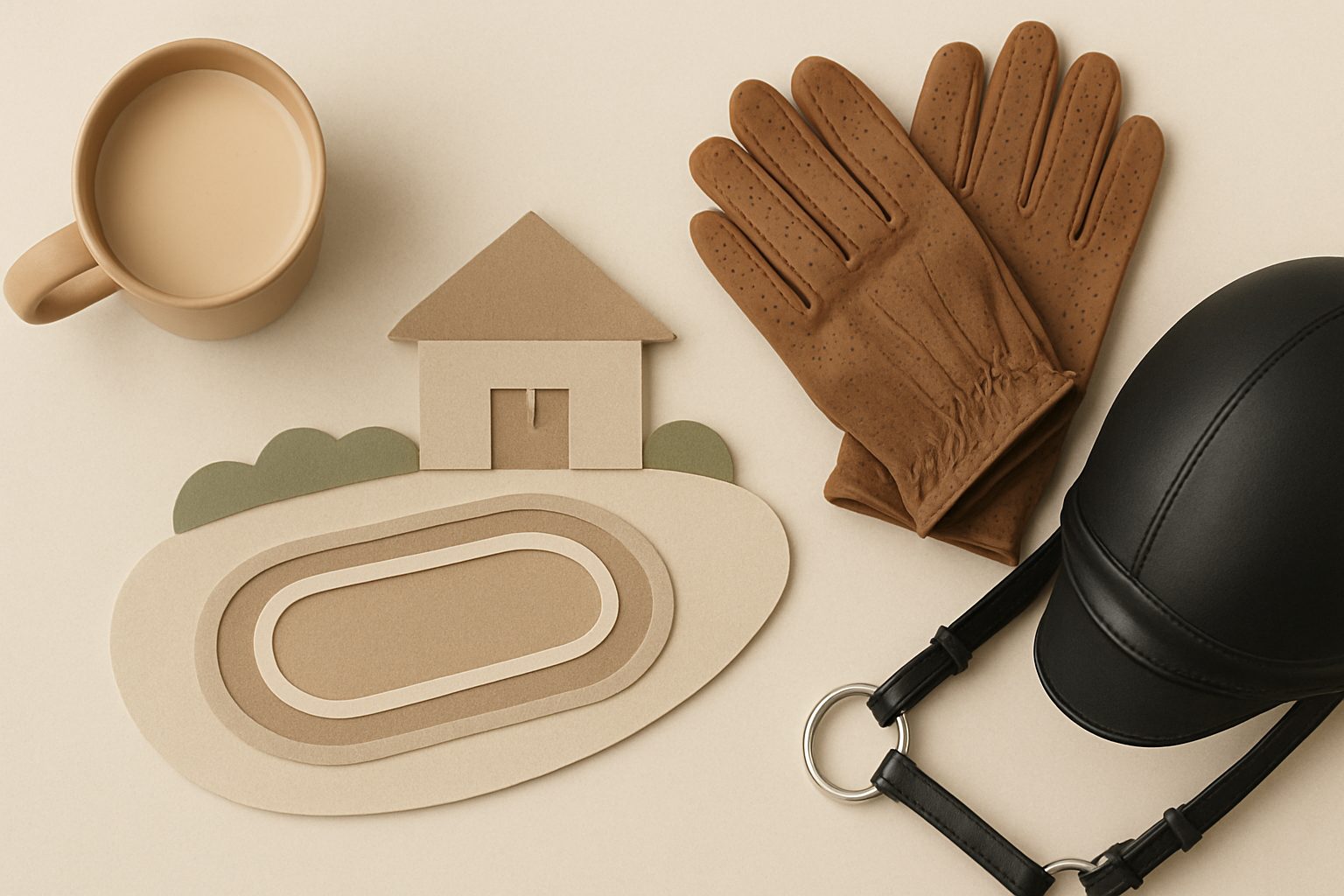
Menage Surface Maintenance: Essential Tools & Products for UK Arena Owners
Keeping a menage surface in good condition requires more than the occasional sweep. Whether you're managing a small private arena or a busier facility, the right tools and a consistent maintenance routine will save you money, extend the life of your surface, and keep your horses sound. This guide covers the essential equipment and products UK arena owners actually need, plus a seasonal calendar to keep you on track.
Why Menage Maintenance Matters
A neglected arena surface breaks down quickly. Poor drainage leads to compaction, loose material creates footing hazards, and uneven wear patterns cause horses to work asymmetrically. Regular maintenance preserves your surface investment, maintains consistent footing year-round, and reduces veterinary issues linked to poor arena conditions. The time you spend now prevents much costlier resurfacing later.
Common UK Menage Surface Types
Most UK arenas use one of three surface systems. Sand-based surfaces (often mixed with rubber or bound agents) are popular because they're affordable and relatively easy to maintain. Fibre-reinforced composites offer better drainage and durability but need targeted care. Fully synthetic surfaces like waxed sand demand precision maintenance to avoid premature wear.
Regardless of type, the maintenance principles remain similar: manage drainage, redistribute material, remove compaction, and control dust and mud.
Essential Tools Every Owner Needs
Drag Harrows and Arenas Rakes
A good drag is your most important investment. The standard choice for most UK arenas is a metal-framed drag harrow towed behind a quad or small tractor. Lightweight models work for small private arenas; busier facilities benefit from heavier drag frames that penetrate deeper and break up compaction more effectively. Look for adjustable tines so you can adapt to seasonal conditions—looser settings for spring maintenance, tighter engagement in summer to prevent excessive dust.
For smaller arenas or detailed work, a hand-pulled arena rake is invaluable. The best ones have long handles and angled tines designed to comb the surface without pulling up base material. Many owners keep both a mounted drag and a hand rake.
Watering Equipment
UK rainfall is unpredictable. Without reliable watering capability, your surface becomes either dusty or waterlogged depending on the season. A towed arena sprinkler attached to a water tank gives you precise control over moisture levels. These work best with a boom design that covers 6–10 metres in a single pass.
For smaller arenas, a hosepipe with a broadcast spray nozzle works, though it's labour-intensive. Consider your arena size and how often you'll use it—if you're schooling daily, watering equipment pays for itself through improved footing and reduced respiratory issues in your horses.
Levelling and Compaction Equipment
A simple level bar towed behind a quad identifies and fills hollows caused by heavy use. Over time, worn areas develop ruts and high spots that destabilise horses. A level bar, used monthly, prevents these dangerous patterns from forming.
For serious compaction issues, a vibrating plate compactor or a powered arena rake designed for deeper cultivation breaks up the base layer and redistributes material more effectively than a standard drag alone.
Product Recommendations by Season
Spring (March–May)
After winter, your arena likely has drainage issues, patchy growth if it's unseeded, and compacted areas where water has pooled. Priorities:
- Use your drag harrow weekly, ideally after rain when material is moist and moves easily
- Check drainage channels and clear any blocked areas
- Water conservatively to prevent muddy conditions
- If your surface is bound with adhesive, a spring application of surface binder helps stabilise material that's loosened over winter
Summer (June–August)
Summer demands dust control and consistent moisture. A dry arena is unsafe; dust irritates respiratory systems and loose material shifts under hooves.
- Water deeply 2–3 times weekly, depending on rainfall and use
- Drag 1–2 times per week, less aggressively than spring, to maintain a stable working surface
- If you notice dust clouds, you're under-watering; increase frequency
- UV exposure can degrade some synthetic surfaces—check manufacturer guidance on seasonal care
Autumn (September–November)
As rainfall increases and use often intensifies (competition season), focus on water management and material redistribution.
- Drag frequency can increase to remove compaction from heavier use
- Ensure drainage channels stay clear
- If water pools rather than drains, you may have a base layer issue—this often requires professional advice
- Autumn is ideal for applying new surface binder before winter makes material handling difficult
Winter (December–February)
Winter is tough on arenas. Cold, wet conditions cause base layer compaction and surface degradation. Maintenance becomes reactive.
- Reduce dragging frequency—over-working a wet surface can cause lasting damage
- Focus on drainage management; clear gutters and channels after heavy rain
- If your arena freezes, leave it undisturbed until it thaws
- Water less frequently; winter rainfall usually provides sufficient moisture
Surface Binders and Stabilisers
If your arena is sand-based, you'll benefit from a quality surface binder. These products (acrylic polymers or bio-based alternatives) coat sand particles and reduce dust while improving surface stability. Most require annual or bi-annual reapplication.
Binders are typically applied by specialist contractors, though some DIY options exist for smaller arenas. The cost varies widely—budget £300–£1,500 depending on arena size and product type. Good binders noticeably reduce dust and improve footing consistency, justifying the expense on well-used facilities.
Rubber additives are another option, particularly useful for menages with heavy use or poor drainage. These improve elasticity and cushioning, though they don't solve underlying drainage problems.
Putting It Together
Start with a good drag harrow and a hand rake. Add watering capability as your budget allows. Invest in a level bar once you've established a basic maintenance routine. Review your surface type and consider binder products if dust or instability becomes an issue.
Consistent, seasonal maintenance using the right tools costs far less than surface replacement. Most UK arena owners find that 2–3 hours weekly upkeep—adjusted for season—keeps a menage in safe, rideable condition for years.
More options
- Horse Arena Drag & Leveller (Amazon UK) (Amazon UK)
- LED Floodlights for Equestrian Arenas (Amazon UK) (Amazon UK)
- Equestrian Training Mirrors — Acrylic/Polycarbonate (Amazon UK) (Amazon UK)
- Geotextile Membrane for Arena Sub-Base (Amazon UK) (Amazon UK)
- Equestrian Arena Surface & Fencing Suppliers (AWIN — e.g. Monarch Equestrian, Martin Collins Enterprises) (Amazon UK)